Showing posts with label anotec odour news. Show all posts

Sunday, March 30, 2025

Anotec: Revolutionizing Odor Control with Cutting-Edge Solutions


In today’s world, maintaining a clean and odor-free environment is critical for businesses and individuals alike. Anotec, a leading innovator in air quality solutions, offers advanced systems designed to tackle even the most persistent odors. Building on decades of expertise, Anotec combines cutting-edge technology with practical design to deliver reliable, efficient, and customizable odor control solutions. Whether in commercial kitchens, industrial facilities, or waste management operations, Anotec systems are engineered to meet the highest standards of performance and sustainability.


Introducing Anotec Odor Control Systems

Anotec’s product line represents a paradigm shift in odor management. Unlike traditional methods that merely mask odors, Anotec systems eliminate them at their source using proven technologies. The Anotec systems are versatile, scalable, and tailored to suit diverse applications, from small-scale commercial use to large industrial complexes. Each system is designed with user-friendly interfaces, energy efficiency, and minimal maintenance in mind, ensuring seamless integration into any operational environment.


Key Features and Technology

Anotec’s success stems from its advanced engineering and proprietary technologies:


Benefits of Anotec Systems

Anotec’s odor control solutions offer a multitude of advantages that set them apart from conventional alternatives:


Odor Elimination, Not Masking : Unlike perfumed sprays or masking agents, Anotec systems neutralize odors at the molecular level, ensuring long-term results.

Energy Efficiency : Smart sensors and optimized airflow reduce energy consumption without compromising performance.

Low Maintenance : Self-diagnostic features and easy-to-access  systems minimize downtime and simplify upkeep.

Health and Safety Compliance : By reducing harmful VOCs and pathogens, Anotec systems contribute to safer indoor air quality, aligning with OSHA and EPA regulations.

Scalability : Whether for a single room or a sprawling facility, Anotec systems are scalable to meet varying needs.

Applications Across Industries

Anotec’s technology is applicable in a wide range of industries and environments:


Food Processing & Hospitality : Restaurants, commercial kitchens, and food processing plants use Anotec to eliminate cooking odors and grease fumes, ensuring compliance with health codes.

Waste Management & Recycling : Landfills, composting facilities, and recycling centers rely on Anotec systems to control odors and reduce public complaints.

Animal Husbandry & Agriculture : Livestock barns and poultry farms deploy Anotec to manage ammonia and other noxious gases, improving animal welfare and worker comfort.

Industrial Manufacturing : Factories and chemical plants use Anotec to neutralize industrial odors, enhancing workplace safety and community relations.

Healthcare & Long-Term Care : Hospitals and nursing homes utilize Anotec systems to maintain sterile environments and reduce the spread of airborne contaminants.

Why Choose Anotec?

Anotec distinguishes itself through its commitment to innovation, sustainability, and customer satisfaction:


Expert Engineering : Anotec’s R&D team continuously refines its technology to stay ahead of industry trends and regulatory requirements.

Sustainable Practices : The company prioritizes eco-friendly materials and energy-efficient designs, minimizing environmental impact.

Dedicated Support : Anotec offers comprehensive customer service, including installation guidance, training, and 24/7 technical assistance.

Cost-Effective Solutions : While Anotec systems are high-performing, their durability and energy savings lead to long-term cost efficiencies.

Conclusion

Anotec is redefining odor control with its advanced, adaptable, and environmentally conscious solutions. By combining cutting-edge technology with user-centric design, Anotec empowers businesses and individuals to achieve cleaner air, healthier environments, and enhanced operational efficiency. For those seeking reliable, scalable, and sustainable odor management, Anotec stands as the leader in innovation and excellence.


Visit anotec.com.au to explore their full range of products, request a consultation, or learn more about how Anotec can transform your air quality management strategy.


Monday, November 27, 2023

anotec odour control


Tuesday, February 07, 2023

The Colours of Smell

 The Science of Smell: The Colours of Smell and Zwaardemaker's Olfactory Perception Model and Its Implications for Community and Standard of Living


The sense of smell is a vital component of human sensory perception, playing a crucial role in our ability to perceive and interpret the environment. Understanding the underlying mechanisms of olfactory processing is not only important from a scientific perspective, but it also has significant implications for the community and standard of living.

The "Colours of Smell" metaphor and Zwaardemaker's model of olfactory perception provide a valuable framework for thinking about the way in which our perception of odours affects our overall well-being and quality of life. For example, a negative olfactory experience, such as exposure to a foul odour, can have a negative impact on mood, stress levels, and overall health. Conversely, positive olfactory experiences, such as exposure to pleasant fragrances, can have a positive impact on mood and well-being.

Moreover, the science of smell is critical in fields such as urban planning and environmental health, where it is important to consider the impact of olfactory pollution on the quality of life of communities. This has led to an increased focus on developing strategies for reducing the negative impact of unpleasant odours, as well as promoting positive olfactory experiences through the use of pleasant fragrances and aromatherapy.

In addition, Zwaardemaker's model has implications for the design of products and technologies that utilize or enhance the sense of smell, such as air fresheners, perfumes, and odour detection systems. Understanding the mechanisms of olfactory processing can help to optimize the design of these products to provide maximum benefit to the user.

In summary, the "Colours of Smell" metaphor and Zwaardemaker's model of olfactory perception provide valuable insights into the science of smell and its implications for community and standard of living. By improving our understanding of the way in which our perception of odours affects our overall well-being and quality of life, we can work to promote positive olfactory experiences and improve the health and well-being of communities.

Visit http://www.anotec.com.au or e-mail technical@anotec.com.au


Wednesday, January 25, 2023

Importance of Proper Cleaning Chemicals

Cleaning is not just a task, it is a fundamental aspect of maintaining the health and well-being of individuals and the community at large. It is the process of removing dirt, grime, germs and bacteria that can cause illness and spread diseases, thus creating a safe and hygienic environment. To achieve the highest level of cleanliness, it is essential to use the appropriate cleaning chemicals, each specifically designed for a particular purpose.


One such essential cleaning chemical is a non-residual floor cleaner, which is designed to remove dirt, grime, and stains from floors without leaving behind any residue. This is crucial as residual cleaners can attract dirt and dust, making the floor dirtier faster and defeating the purpose of cleaning. Additionally, non-residual floor cleaners are environmentally friendly and do not contain harsh chemicals that can irritate skin.

Another vital cleaning chemical is dishwashing detergent. It is specifically formulated to remove food particles, grease, and bacteria from dishes, utensils, and cookware. Using a detergent that is not designed for dishwashing can lead to ineffective cleaning and potentially cause damage to dishes.

Hand soap is also a crucial cleaning chemical that is utilized to clean and sanitize hands, thereby removing dirt, germs, and bacteria. It is important to use a hand soap that is formulated to effectively clean and sanitize hands without drying them out, thus promoting personal hygiene.

Anotec's ANOCLEAN range of cleaning supplies offers a comprehensive solution for achieving the highest level of cleanliness. The range includes a variety of cleaning chemicals such as non-residual floor cleaner, dishwashing detergent, and hand soap, as well as paper products like disposable towels and toilet paper. These products work in harmony to provide a complete cleaning solution.

In summary, cleaning is a fundamental aspect of maintaining the health and well-being of individuals and the community at large. The use of appropriate cleaning chemicals, such as non-residual floor cleaner, dishwashing detergent, and hand soap, is imperative to achieve the highest level of cleanliness. Anotec's ANOCLEAN range offers a comprehensive odour control solution that includes a variety of cleaning chemicals and paper products that are non-hazardous and eco-friendly, making it easy to achieve the ultimate level of cleanliness while also protecting the environment.

For more information reach out directly either by visiting the website http://www.anotec.com.au or e-mailing technical@anotec.com.au 


odour control


Monday, January 23, 2023

The Science of Odour Control: Understanding and Eliminating Unpleasant Smells

 The Science of Odour Control: Understanding and Eliminating Unpleasant Smells

Odours can be a nuisance and can even be harmful to our health. They can come from a variety of sources, including industrial facilities, households, waste management facilities, and even our own bodies. Understanding the science behind odours and how to effectively control them is crucial for creating a pleasant and safe living and working environment.

The sense of smell, also known as olfaction, is one of the most sensitive of our five senses. It is directly linked to the olfactory bulb, a small structure located in the brain that is responsible for processing and interpreting odorant molecules. When an odorant molecule reaches the olfactory bulb, it binds to a specific receptor, which sends a signal to the brain. The brain then interprets this signal as a specific smell.

Odours are caused by volatile organic compounds (VOCs) that are released into the air. These VOCs can come from a variety of sources, including mould, bacteria, and chemicals. The concentration of VOCs in the air is known as the odour threshold, and it is the point at which an odour becomes perceptible.

There are several methods of odour control, including physical, chemical, and biological methods. Physical methods involve physically removing the odour-causing substance, such as through ventilation or air filtration. Chemical methods involve neutralizing or masking the odour with a chemical substance, such as an odour neutralizer or an air freshener. Biological methods involve using microorganisms to break down the odour-causing substance, such as through the use of enzymes or bacteria.

Chemical methods of odour control include the use of odour neutralizing agents, which can be added to cleaning products, paints, and other materials to neutralize odours. These agents work by chemically reacting with the odour-causing compounds and neutralizing them.

Another effective method is the use of microorganisms through the use of enzymes. Enzymes can be used to break down the odour-causing compounds, effectively eliminating the odour. This method is particularly useful in waste management facilities, where enzymes can be used to break down the organic matter and eliminate odours.

In conclusion, understanding the science of odours and how they are perceived by our sense of smell is crucial for effectively controlling them. Whether it is through physical, chemical, or biological methods, there are a variety of solutions available for eliminating unpleasant smells and creating a pleasant living and working environment. It is important to choose the right method based on the specific source and nature of the odour, as well as the specific environment in which it is found.


Author of image Rodrigo Suarez (https://qbi.uq.edu.au/profile/511/rodrigo-suarez), ARC DECRA Research Fellow, The University of Queensland (http://uq.edu.au/)

Friday, January 20, 2023

New innovation in Soil Binder

Anotec's soil binder is a water-based polymer that is highly crosslinked, which means that the polymer molecules are connected to one another in a very strong and stable way. This makes it an ideal soil binder for a variety of applications.


One of the main benefits of using a water-based polymer soil binder is that it is environmentally friendly and easy to apply. Unlike traditional soil binders, which are often made from cement or lime, a water-based polymer does not produce harmful emissions during the application process. This makes it a safer option for both the workers applying the binder and the environment.


The high level of crosslinking in Anotec's soil binder also gives it exceptional strength and stability. It provides a strong bond between soil particles, which helps to prevent erosion and improve soil structure. This makes it an ideal option for construction projects, such as roadways, foundations, and other structures, as well as for agriculture and landscaping.


Another advantage of using a water-based polymer soil binder is that it is highly effective at reducing dust. This can be especially important in areas where wind and heavy traffic can cause dust to become a problem.


Overall, Anotec's water-based polymer soil binder is an innovative and highly effective solution for improving the strength and stability of soil. Its environmentally friendly properties, ease of application, and exceptional strength and stability make it a top choice for a variety of applications.


For more infomation visit http://www.anotec.com.au or e-mail directly technical@anotec.com.au 


#soilbinder #construction #agriculture #landscaping #erosioncontrol #soilstabilization #waterbasedpolymer #crosslinkedpolymer #environmentallyfriendly #dustreduction #innovativesolution #strengtheningsoil #Anotec 


Monday, January 16, 2023

Odour Management in Water Treatment Facilities

Odours can be produced in water-treatment facilities as a result of various processes, such as the breakdown of organic matter, the release of gases from chemical reactions, and the presence of microorganisms. These odours can be unpleasant for both employees and the surrounding community, and it is important for water-treatment facilities to manage them effectively.

One of the main sources of odours in water-treatment facilities is the breakdown of organic matter. This can occur in the form of decomposition of plant material, such as leaves and grass, as well as the breakdown of human and animal waste. These processes release gases, such as methane and hydrogen sulfide, which can produce unpleasant odours.

Another source of odours in water-treatment facilities is the release of gases from chemical reactions. For example, chlorine is commonly used as a disinfectant in water-treatment facilities, and when it reacts with organic matter, it can release chloramines, which can produce a strong chlorine-like odour. Similarly, the use of other chemicals, such as alum, can also produce odours.

Microorganisms can also be a source of odours in water-treatment facilities. These microorganisms, such as bacteria and fungi, can grow in areas where there is a lot of organic matter, such as in sludge treatment tanks. They can produce gases, such as methane and carbon dioxide, which can create unpleasant odours.

It is important for water-treatment facilities to manage odours effectively to ensure the health and safety of employees and the surrounding community. This can include implementing process control measures, such as maintaining proper pH levels, to reduce the production of odours, as well as using odour-control technologies, such as carbon filters and biofilters, to remove odours from the air.

In addition, regular cleaning and maintenance of the facility can help to reduce the accumulation of organic matter and the growth of microorganisms, which can decrease the production of odours. Proper training of employees on odour management and good housekeeping practices is also important.

Anotec Environmental is a leading provider of odour management solutions. Their products and services are specifically designed to neutralize a wide range of odours, reduce the production of odours, and improve the overall air quality of these facilities.

One of the key products offered by Anotec Environmental is their line of odour neutralizing agents. These agents are specifically formulated to neutralize odours caused by organic matter decomposition, chemical reactions, and microorganisms. These agents can be used in a variety of applications such as air handling units, biofilters, and chemical scrubbers to effectively remove odours from the air.

In addition to odour neutralizing agents, Anotec Environmental also offers a line of natural microorganisms that can be used to break down organic matter and reduce the production of odours. These microorganisms can be used in applications such as sludge treatment tanks and lagoons to help reduce odours.

Other services include odour assessments, odour control system design and installation, and ongoing support. They conduct odour assessments to identify the source of odours and recommend appropriate solutions. They also provide regular maintenance and monitoring services to ensure that the odour management plan is effective.

Anotec Environmental provides a comprehensive range of products and services that effectively manage odours in water treatment facilities. By partnering with Anotec Environmental, water treatment facilities can implement effective odour management strategies that prioritize the health and safety of employees and the surrounding community.


Friday, January 13, 2023

Managing Odours with Surfactant Technology in Waste Treatment


Are you looking for ways to improve the environment in your waste treatment facility and the community it serves? Look no further than surfactant technology. When sprayed using a fix spray system or a fog master, surfactants can help to reduce odours and improve air quality. Anotec, a proudly Australian formulated and manufactured company, has formulated a unique blend of surfactant technology called SIAT, which is used in their product range including PRO5L, 0307 and ANOZYME.


But what exactly are surfactants and how do they work? Surfactants are compounds that have the ability to lower the surface tension of liquids, making them more effective at penetrating and cleaning surfaces. In waste treatment facilities, surfactants can be used to break down and remove odorous compounds, such as hydrogen sulfide and methane. SIAT, Anotec's blend of surfactant technology is specifically designed to deal with the wide range of variance that can occur on a job site.


One of the most effective ways to use surfactants in waste treatment facilities is by utilizing a fix spray system. This type of system uses high-pressure nozzles to spray surfactant solutions onto surfaces, such as walls and floors. The surfactants penetrate and clean the surfaces, removing odorous compounds and improving air quality. Anotec's PRO5L and 0307 are specially formulated for this application.


Another great option is using a fog master system. This type of system creates a fine mist of surfactant solution, which is then distributed throughout the facility. The mist is able to reach and clean surfaces that would be difficult to reach with a fix spray system. This is particularly useful for hard-to-reach areas, such as ceilings and high walls. Anotec's PRO5L is specially formulated for this application.


In addition to reducing odours, surfactants can also be used to improve the overall hygiene and cleanliness of waste treatment facilities. Surfactants can be used to remove dirt, grease, and other contaminants, making the facilities safer and more pleasant for workers and visitors. Anotec's product range can be used to tackle this issue as well.


Not only the waste treatment facility, but the community it serves also benefits from the use of surfactant technology. By effectively reducing odours, complaints made by the community living near the facility can also be reduced. This can improve the relationship between the facility and the community, and ultimately, have a positive impact on the community's overall well-being.


As professional engineers, it's important to stay up-to-date on the latest technologies and methods for improving the environment in our facilities and the community it serves. Surfactant technology is a powerful tool that can make a big impact in waste treatment facilities. By utilizing fix spray systems and fog master systems, we can effectively reduce odours and improve air quality, as well as overall hygiene and cleanliness. Anotec's SIAT blend of surfactant technology in their product range can provide an effective solution for this purpose. All the products are proudly Australian formulated and manufactured, ensuring quality and reliability.


#surfactanttechnology #wastetreatment #odourcontrol #fixspraysystem #fogmaster #wastehygiene #cleanfacilities #communityimprovement #Anotec #SIAT #PRO5L #0307 #ANOZYME #Australianmade #qualityproducts #odourreduction #Airqualityimprovement #hygieneimprovement #wasteindustry #engineers #environmentalimprovement

Wednesday, January 11, 2023

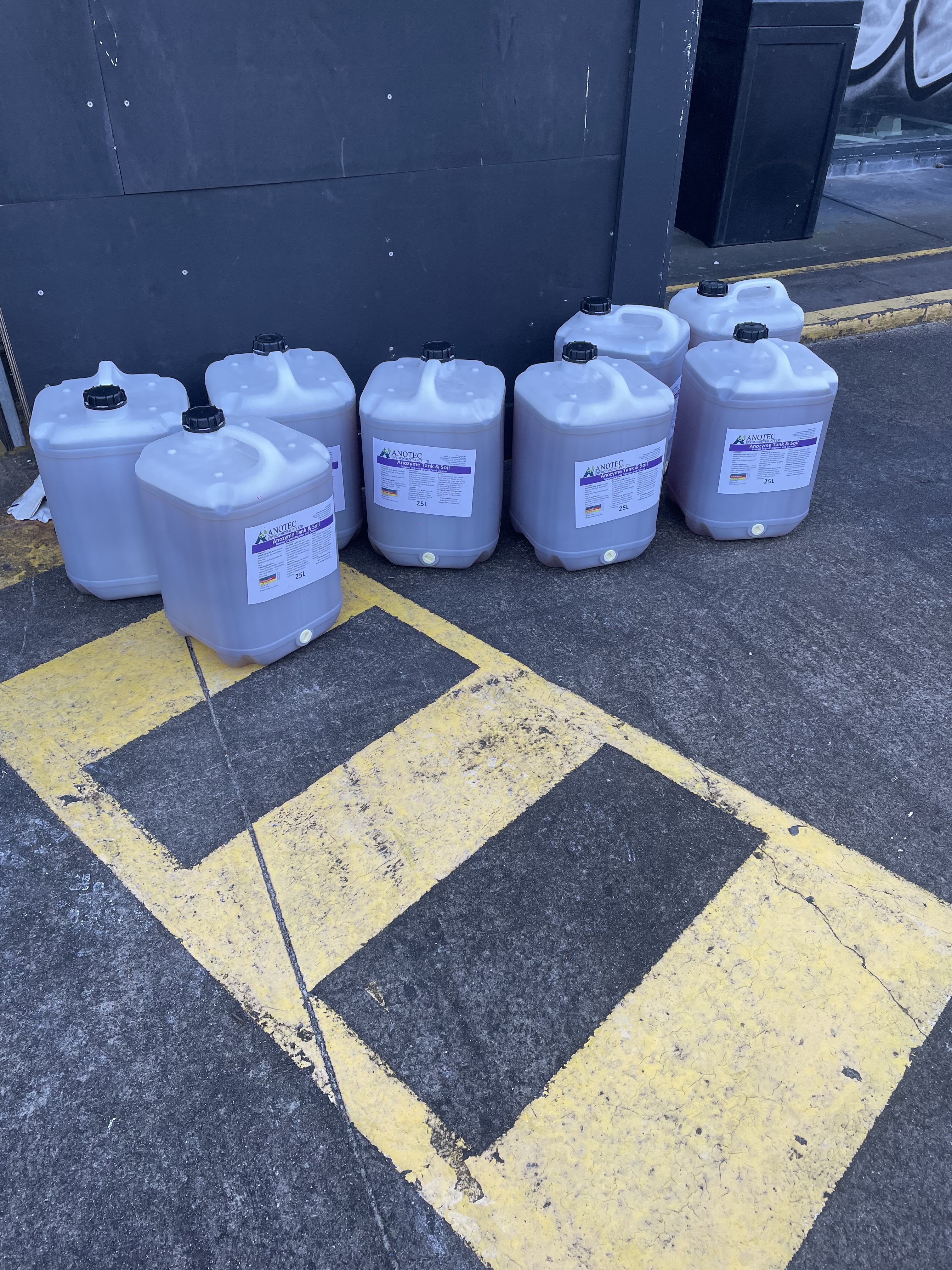
Anozyme Tank & Soil a powerful enzyme-based solution

Anotec's product Anozyme Tank & Soil is a powerful enzyme-based solution that can be used to effectively eliminate hydrocarbons in underground storage tanks and contaminated soils. This process is known as biodegradation or bioremediation and it helps in eliminating hydrocarbons and controlling odours. The product is specially formulated with a blend of enzymes and bacteria that have been specifically selected to break down a wide range of hydrocarbons, making it suitable for use in a variety of different environments.


In underground storage tanks, Anozyme Tank & Soil can be added to the tank as a liquid treatment. Once added, the enzymes in the product catalyze the breakdown of the hydrocarbons present, while the bacteria consume the breakdown products as a source of energy and carbon. This process reduces the amount of hydrocarbons in the tank and controls odours, making the environment safer for human and ecological health.

Anozyme Tank & Soil can also be used for bioremediation of contaminated soils. The product can be applied directly to the soil, where the enzymes and bacteria in the product work to break down the hydrocarbons present, making them more accessible to bacteria for degradation. This process helps to reduce the concentration of hydrocarbons in the soil and minimize the potential for harm to the environment and human health.

It is also worth mentioning that Anozyme Tank & Soil is formulated to work under a wide range of conditions, such as pH, temperature, moisture and oxygen, making it more versatile and adaptable to different situations.

In summary, Anotec's Anozyme Tank & Soil is a powerful enzyme-based solution that can be used to effectively eliminate hydrocarbons in underground storage tanks and contaminated soils, by reducing hydrocarbons amount and controlling odours. Its versatility allows it to be adapted to different situations in different environments, making it a great solution for cleaning and remediating hydrocarbon-polluted areas.

Contact Anotec today for more information by e-mail the technical team directly techncial@anotec.com.au or by visiting our website http://www.anotec.com.au


Monday, January 09, 2023

Odour Perception: An Overview of the Science and Genetics

 Odour Perception: An Overview of the Science and Genetics

The human sense of smell, also known as olfaction, is a complex and essential sensory function that plays a vital role in our daily lives. From detecting and identifying the odours of food and beverages to alerting us to potential dangers, such as gas leaks or spoiled items, our ability to perceive odours is a crucial aspect of human experience.

But how does the process of odour perception actually work? When we breathe in air, the molecules from the odours present in that air bind to specialized sensory cells in the nose called olfactory receptors. This triggers a signal that is sent to the brain, where it is interpreted as a particular smell.

Each olfactory receptor is sensitive to a particular range of odorous molecules, and when multiple receptors are activated at the same time, the brain creates a unique "odour fingerprint" that allows us to identify the specific scent. This process of odour identification is highly dependent on genetics; research has shown that certain individuals may be more sensitive to certain types of odours due to variations in their olfactory receptor genes.

In addition to genetics, there are several other factors that can influence our sense of smell. Age is a significant factor, as our sense of smell tends to decline as we get older. Illness and certain medications can also temporarily or permanently impact our sense of smell. Environmental factors, such as air pollution and exposure to strong odours over time, can also affect our olfactory abilities.

But what about those times when we struggle to detect or identify a particular odour? It's important to note that our sense of smell is a highly subjective experience, and what one person may perceive as a strong, distinct smell may be barely noticeable to another. Additionally, our brains can play tricks on us when it comes to smell. For example, if we are expecting a certain smell, such as the aroma of freshly baked cookies, we may perceive that smell even if it is not actually present.

Given the significant impact that odours can have on our daily lives, it is not surprising that there is a wide range of products and techniques designed to control odours. Air fresheners, scented candles, and odor-absorbing products are just a few examples of the many options available. However, it is important to consider the potential impacts of these products on both indoor air quality and the environment. Some products, such as those containing synthetic fragrances, can release harmful chemicals into the air and contribute to indoor air pollution.

This is where Anotec comes in. As a leading provider of eco-friendly odour control solutions, Anotec offers a range of natural, safe, and effective products that are designed to effectively control odours without harming the environment. From essential oils and natural fragrances to innovative odour-absorbing materials, Anotec's products provide a sustainable alternative to traditional odour control methods.

In conclusion, the human sense of smell is a complex and multifaceted sensory function that plays a vital role in our daily lives. From detecting and identifying odours to influencing our mood and behaviour, our sense of smell is a powerful and important aspect of human experience. Understanding the science behind odour perception can help us appreciate the intricate process by which our noses work and make informed choices when it comes to odour control. By choosing eco-friendly alternatives, such as those offered by Anotec, we can effectively control odours while also protecting the environment.

Contact Anotec to by e-mailing directly technical@anotec.com.au or visting their website at http://www.anotec.com.au


Tuesday, January 03, 2023

The importance of Odour Control and management in 2023

Odour control is crucial in any environment, but it is especially important in highly dense populations where people are living in close proximity to one another. Maintaining good indoor air quality and minimizing unpleasant odours can have numerous benefits, including improved health, enhanced quality of life, and a positive economic impact. 
One of the primary reasons why odour control is important is due to the potential health effects of bad odours. Unpleasant odours can cause irritation to the eyes, nose, and throat, and can even trigger respiratory issues in some individuals. In highly dense populations where many people are living in close quarters, this can increase the risk of illness and the spread of disease.
Another reason is that strong odours can be a nuisance to neighbors, leading to conflicts and complaints. In addition, bad odours can often indicate underlying problems that need to be addressed, such as plumbing issues or the presence of mould. By eliminating the source of the odour, it is possible to improve indoor air quality and prevent potential health risks.
There are several strategies that can be employed to control odours in highly dense populations. 
One effective method is the use of air purifiers, which can help to filter out and eliminate a wide range of odours and contaminants from the air. Proper ventilation is also essential for maintaining good indoor air quality and reducing odours. This may involve installing or upgrading ventilation systems to improve air circulation and filtration. 
Regular cleaning and maintenance are another important aspect of odour control. This
can involve tasks such as emptying garbage bins, washing bedding and towels, and cleaning surfaces and floors to remove dirt and grime that can contribute to odours. In addition, using non-toxic and biodegradable cleaning products can help to reduce the risk of harmful chemicals being released into the air. The use of air fresheners and other odour neutralisers can also be an effective way to mask and eliminate unpleasant odours. These products come in a wide range of forms, including sprays, candles, and plug-ins, and can be used to freshen up the air and neutralise odours in specific areas or throughout an entire space. 
In conclusion, odour control is important in 2023 and particularly in highly dense environments populations due to the health, quality of life, and economic impacts that bad odours can have. By implementing strategies such as the use of air purifiers, proper ventilation, regular cleaning and maintenance, and the use of odour neutralisers, it is possible to improve indoor air quality and create a more pleasant living environment for all.

For more information reach out to Anotec directly by e-mailing technical@anotec.com.au or visiting our website at http://www.anotec.com.au
 
#odorcontrol #indoorairquality #unpleasantodors #healthconcerns #qualityoflife #economicimpact #airpurifiers #ventilation #cleaningandmaintenance #airfresheners #odorneutralizers #densepopulations #healthyenvironment #pleasantliving #odourcontrol


Friday, December 23, 2022

Using enzymes to fight hydrocarbon contamination in soils and tanks - Anozyme is the answer!

Anotec has also been innovating new ways to create clean-up more efficient particularly on-site to ensure processing is easier but as well to help manage and reduce the environmental impact of the surrounding areas and community. Through this Anotec has developed a product range that are Enzymed-based which is called 'Anozyme'. Particularly in the use of hydrocarbon contamination in soils, tanks and water.


Enzymes can be used to break down hydrocarbons in contaminated soil, petrol tanks, and wastewater. Hydrocarbons are a type of organic compound that are made up of hydrogen and carbon atoms. They are found in fossil fuels, such as petrol and diesel, and can be harmful to the environment when released into the soil or water.

One way to use enzymes to break down hydrocarbons is by adding them to the contaminated soil or water. The enzymes can then break down the hydrocarbons into smaller, less harmful molecules. This process is known as bioremediation.

Enzymes can also be used to break down hydrocarbons in petrol tanks. In this case, the enzymes are typically added to the tank along with a cleaning solution.

Anotec typically provides an Anozyme concentrate which is sometimes accompanied with a cleaning-surfactant. All of this is then diluted heavily in water.

As enzymes work by breaking down the hydrocarbons into smaller, less harmful molecules, which can then be more easily removed from the tank.

If you are looking for more information feel free in reaching out by contacting Anotec directly at technical@anotec.com.au or visiting our website http://www.anotec.com.au #enzyme #hydrocarbons #remediation


Tuesday, December 20, 2022

Controlling odours in and around remediation sites

Odour control management is an important aspect of remediation sites, as strong and unpleasant odours can be a nuisance for nearby communities and may even pose health risks. Effective odour control measures can help to mitigate these negative impacts and ensure that the remediation site is a safe and pleasant place for all stakeholders.

There are several strategies that can be employed to manage odours at remediation sites. Some of the most effective approaches include:

  1. Source control: This involves identifying and eliminating the sources of odours at the site. This may include removing or properly disposing of odorous materials, sealing off areas that are prone to odours, and installing ventilation systems to help reduce the concentration of odorous gases.
  2. Chemical treatments: Odour-neutralizing chemicals can be applied to surfaces or injected into the air to help neutralize odours. These chemicals are often used in conjunction with other odour control measures to provide a more comprehensive solution.
  3. Biofiltration: This involves using plants or microorganisms to filter and break down odorous gases and compounds. Biofilters can be used to effectively remove odours from the air, and can be a natural and cost-effective alternative to chemical treatments.
  4. Carbon adsorption: Activated carbon is highly effective at absorbing a wide range of odorous compounds and gases. Carbon adsorption systems can be used to filter and remove odours from the air, and are often used in conjunction with other odour control measures.
  5. Thermal oxidation: This involves using high temperatures to destroy odorous compounds and gases. Thermal oxidation systems can be used to effectively remove odours from the air, and are often used in conjunction with other odour control measures.

In addition to these strategies, it is important to implement proper waste management practices at the site to help reduce odours. This may include properly sealing and storing odorous materials, and ensuring that all waste is properly disposed of in accordance with local regulations.

Overall, effective odour control management at remediation sites is crucial for the health and well-being of nearby communities, as well as the success of the remediation efforts. By implementing a variety of strategies and best practices, it is possible to effectively manage odours and create a safe and pleasant environment for all stakeholders.

For more information or if there are any further question, visit http://www.anotec.com.au or e-mail Anotec's technical team directly at technical@anotec.com.au


Thursday, March 17, 2022

terms to learn in evaluating odours

 Odour Intensity: It is the perceived strength of an odour above its threshold. It is determined by an odour panel and is described in categories which progress from “Not perceptible”; “Very Weak”; “Weak”; “Distinct”; “Strong”; “Very Strong” to “Extremely Strong”.


Hedonic Tone: It is the degree to which an odour is perceived as pleasant or unpleasant. Such perceptions differ widely from person to person and are strongly influenced by previous experiences and emotions at the time the hedonic tone is evaluated.


Odour Character: It is basically what the odour smells like. It allows one to distinguish between different odours. For example, ammonia gas has a pungent and irritating smell. The character of an odour may change with dilution.


odour control

Tuesday, September 17, 2019

Petrichor ~ An Australian chemist invented that term

The word is “petrichor”, and it’s used to describe the distinct scent of rain in the air. Or, to be more precise, it’s the name of an oil that’s released from the earth into the air before rain begins to fall.

Even the word itself has ancient origins. It’s derived from the Greek “petra” (stone) and “ichor” which, in Greek mythology, is the ethereal blood of the gods.

But the story behind its scientific discovery is a lesser known tale. So, how is it that we came to find this heavenly blood in the stone?

Nature of Argillaceous Odour might be a mouthful, but this was the name of the paper published in the Nature journal of March 7, 1964, by CSIRO scientists Isabel (Joy) Bear and Richard Thomas, that first described petrichor.

Thomas had for years been trying to identify the cause for what was a long-known and widespread phenomena. As the paper opened:

That many natural dry clays and soils evolve a peculiar and characteristic odour when breathed on, or moistened with water, is recognised by all the earlier text books of mineralogy.


Was it something in the soil that gave rise to the smell?

The odour was particularly prevalent in arid regions and was widely recognised and associated with the first rains after a period of drought. The paper went on to say:

There is some evidence that drought-stricken cattle respond in a restless matter to this “smell of rain”.

The smell had actually been described already by a small perfumery industry operating out of India, which had successfully captured and absorbed the scent in sandalwood oil. They called it “matti ka attar” or “earth perfume”. But its source was still unknown to science.

Joy and Richard, working at what was then our Division of Mineral Chemistry in Melbourne, were determined to identify and describe its origin.

By steam distilling rocks that had been exposed to warm, dry conditions in the open, they discovered a yellowish oil – trapped in rocks and soil but released by moisture – that was responsible for the smell.

The diverse nature of the host materials has led us to propose the name “petrichor” for this apparently unique odour which can be regarded as an “ichor” or “tenuous essence” derived from rock or stone.

The oil itself was thus named petrichor -– the blood of the stone.

Bring on the humidity
The smell itself comes about when increased humidity – a pre-cursor to rain – fills the pores of stones (rocks, soil, etc) with tiny amounts of water.

While it’s only a minuscule amount, it is enough to flush the oil from the stone and release petrichor into the air. This is further accelerated when actual rain arrives and makes contact with the earth, spreading the scent into the wind.

According to the Nature Paper:

In general, materials in which silica or various metallic silicates predominated were outstanding in their capacity to yield the odour. It was also noted that the odour could be obtained from freshly ignited materials rich in iron oxide, with or without silica.

It’s a beautiful sequence of events, but one that may be hard to visualise.

Thankfully, in a testament to the ongoing scientific fascination with this finding, a team of scientists at the Massachusetts Institute of Technology have just this year released a super slow motion video of the petrichor process in motion.


Using high-speed cameras, the researchers observed that when a raindrop hits a porous surface, it traps tiny air bubbles at the point of contact. As in a glass of champagne, the bubbles then shoot upward, ultimately bursting from the drop in a fizz of aerosols.

The team was also able to predict the amount of aerosols released, based on the velocity of the raindrop and the permeability of the contact surface which may explain how certain soil-based diseases spread.

Lasting legacy
There’s a small body of research and literature on petrichor that’s fascinating in its own right, including Thomas and Bear’s subsequent paper Petrichor and Plant Growth a year after they first named the smell.

So what happened to Joy Bear and Richard Thomas?


Richard Thomas with Joy Bear studying petrichor (date unknown). CSIRO, Author provided
Richard had actually retired from CSIRO in 1961 when he was First Chief of the Division of Minerals Chemistry. He died in 1974, aged 73.

Joy, aged 88, a true innovator and pioneer in her field, retired from CSIRO only in January this year, after a career spanning more than 70 years.

The joint discovery of petrichor was just part of a truly remarkable and inspiring career which culminated in 1986, with Joy’s appointment as a Member of the Order of Australia for services to science.

We are thankful to both for the lasting legacy on giving a name to the smell of rain and to Joy for the role model she has been to so many women in science. Buy Fire TV Device, Get 50% Off 2 Months Philo

Tuesday, April 05, 2011

Legal action threat 'to clear the air'

BRIMBANK Council is considering legal action against electricity distributor Powercor over alleged illegal land use in Brooklyn.
Council solicitors are exploring options for enforcement action against Powercor for failing to provide sufficient support in ensuring its sub-tenants obey the law.

A long-running fight by the community and authorities to rein in odour and dust-producing industries in the Brooklyn Industrial Precinct has made recent progress, but the legal moves show there are still substantial issues left to tackle.

General manager of city development Stephen Sully said the council's planning compliance department had made about 40 site visits in the past two months.

He confirmed the matter had been referred to solicitors. "Powercor is owner of the site and responsible for ensuring its tenants are in compliance with the legislation that applies to the site," he said. "At present, illegal land use continues."

A Powercor spokesman said the company had been working with Brimbank Council to help address the concerns.

Meanwhile, the Environmental Protection Authority is carrying out its own dust monitoring and enforcement over emissions from various industries. A spokeswoman said the regulator was keeping up pressure. "In this financial year to date we have seen a 32per cent reduction in odour reports in the Brooklyn Industrial Precinct."

Cooler temperatures over summer helped reduce the impact of odour on neighbouring residents, while the spokeswoman also pointed to a licence amendment to SITA Australia's facility to prevent it from composting green waste on-site. "This site was a major source of odour in the area."

The EPA is also taking Australian Tallow Producers to court, alleging the discharge of offensive odour in a case to be heard in the Sunshine Magistrates Court later this year. It is working with VicRoads and council regarding road maintenance to keep down the non-industrial dust sources. Some businesses have taken the option of walking away from the area rather than commit to plans of remediation.

Charlie Volpe, of the Brooklyn Residents Action Group, said residents had tolerated air, noise and odour pollution issues for too long and were worried about the possible effects on their health.

He said they appreciated the council and EPA's proactive response, but there was still a long way to go to restore community trust.

Tuesday, July 20, 2010

Metro Vancouver odour bylaw in the works

Metro Vancouver staff are drafting a bylaw in the latest round pitting the regional body against West Coast Reduction’s rendering plant at the foot of Commercial Drive.
Photograph by: Dan Toulgoet, Vancouver Courier
Vancouver Coun. Heather Deal is “cautiously optimistic” Metro Vancouver can draft an odour bylaw that will finally quiet complaints about a stink dozens of Grandview Woodlands residents blame on West Coast Reduction’s rendering plant at the foot of Commercial Drive.

The stench worsens during hot weather and for years it’s generated hundreds of calls to Metro Vancouver, which is responsible for the region’s air quality.

Metro Vancouver tried amending the plant’s air emission permit through limiting “odour unit”—a method accepted in the European Union, but the provincial Environmental Appeal Board ruled in March that odour units are unreasonable and unenforceable.

Last week, Ray Robb, Metro Vancouver’s division manager in the policy and planning department, told members of the regional district’s environment and energy committee, of which Deal is a member, that he’s drawing up an odour bylaw for the district board’s consideration.

Such a bylaw, which cannot be appealed through the EAB, could also apply to other operations that emit odour. Early candidates for the regulation include fish feed manufacturing and “composting and aerobic/anaerobic digestion of putrescible wastes,” according to the report. Metro Vancouver expects odour problems to grow as more organic solid waste is diverted from landfill and incineration. The regulation may include fees to reflect polluter-pay and user-pay principles, so taxpayers don’t have to subsidize the regulation of such industries.

The environment minister could still overturn the bylaw and West Coast Reduction could challenge it through the courts, but Deal is nonetheless hopeful it’s the answer.

“[The EAB] rejected odour units, so we need to find another tool. That could be a technological fix that says in order to control odour you must have your material at this temperature during transportation, as this temperature during the heating process,” she said. “West Coast Reduction is an important part of our industrial landscape in Vancouver. It’s absolutely necessary in the region and we want to make sure they continue to be good neighbours.”

Deal acknowledged it’s been a frustrating fight for residents, but gave WCC credit for investing in technological advances in past years to address odour complaints.

Although some critics argue such a plant shouldn’t exist in an urban area, Deal maintains its presence is important.

“It’s an important industry and a good employer in the city of Vancouver,” she said. “We don’t want to kick any industries that are difficult to live near out of the city because that includes a whole lot of things we rely on economically and that create jobs. I think the answer is to find a way to keep them compatible. Again, there are going to be industries with scents in the future as we come up with more ways of dealing with our organics rather than just throwing them in the garbage.”

West Coast Reduction operates at 105 North Commercial Dr. on land leased from Port Metro Vancouver.

The Port has handled few odour complaints since it launched a community complaint line on Oct. 14, 2009. Between January and June 2010, only two calls related to West Coast Reduction out of 156 calls, most of which focused on noise from the port.

Chris Badger, chief operating officer of Port Metro Vancouver, can’t reveal detailed information about the lease agreement because it’s a confidential contract.

Badger said the Port has been involved in discussions about residents’ odour concerns, and it’s among organizations trying to resolve the issues, but it doesn’t want to duplicate work done by Metro Vancouver.

“But you’ve also got to look at the rights of the industry as well. Clearly, the appeal board is there for a reason and they appealed in a legal way and it was dealt with in the normal process,” he said.

Friday, November 27, 2009

Superoxygenation of raw wastewater for odor/corrosion control


Abstract
A system and method for inhibiting and precluding the buildup and offgas of offensive odors and corrosive sulfuric acid in wastewater in a variety of locations in a sewage system through the use of superoxygenation. The system comprises an oxygenator having an inverse conical section for a downward flow of oxygen gas injected into the sewage stream prior to entering the oxygenator. In one embodiment, the system is inserted directly into the main sewage stream, while in another embodiment, the system is used to treat a sidestream from the main sewage stream.
Description


FIELD OF THE INVENTION

This invention relates to the field of wastewater collection and treatment, and particularly to the prevention of offensive odors and corrosion in sewage systems.

BACKGROUND OF THE INVENTION

Raw domestic wastewater commonly generates offensive odors, especially at warmer temperatures, in collection systems and primary clarifiers at the wastewater treatment plant, combined sewer overflows, storage tanks, lagoons, and effluents in a sewage system. The reason for generation of offensive odors is that the demand for dissolved oxygen by the microbes in the wastewater greatly exceeds the rate that dissolved oxygen is absorbed into the wastewater. The main odor source at a municipal wastewater treatment plant is the effluent of the primary clarifier. This is because the raw wastewater resides in the primary clarifier for over 1 to 4 hours under anaerobic conditions. Under these anaerobic conditions, the microbes reduce sulfate to sulfide which causes the offensive odors. Thus, when the effluent spills down the 2 to 24 inches over the effluent weirs, the hydrogen sulfide is readily stripped out of solution. Consequently, many municipalities cover their primary clarifiers, pull off the foul off gas and scrub it of the offensive odors. This solution results in high capital cost, as well as high operating costs.

Even though it is widely recognized that oxygen deficiency in the wastewater is the root cause of the malodorous and corrosive condition, providing sufficient dissolved oxygen has not been possible, because the rags and stringy material in the raw wastewater quickly plug conventional gas transfer equipment. Furthermore, the low oxygen content in air (21%) makes it impossible to raise the dissolved oxygen above 9 mg per liter in wastewater at 25.degree. C. Furthermore, conventional aeration systems are very efficient at stripping out the volatile offensive sulfide complements. For instance, coarse bubble aerators generate 99 ft..sup.3 of off gas for each 1 ft..sup.3 of oxygen dissolved at 5% oxygen absorbed efficiency characteristic of coarse bubble aerators. Surface aerators have even greater stripping potential for sulfide. Therefore, these conventional systems cannot be used to aerate raw domestic wastewater without exacerbating the odors.

In order to prevent odor and corrosion in collection and primary clarifiers, it has been found that wastewater should be superoxygenated from about 10 mg per liter to about 60 mg per liter or higher of dissolved oxygen. There is a widespread myth that (1) it is not possible to achieve such high dissolved oxygen concentrations in raw municipal wastewater, and (2) that if such levels were achieved, they would quickly effervesce out of solution from the wastewater. High purity oxygen (“HPO”) has a water saturation concentration about five times that of air (40 mg per liter at 25.degree. C.). Furthermore, HPO is expensive, and economic considerations make it preferable to utilize an oxygen dissolving system that is highly efficient and has low unit energy consumption per ton of dissolved oxygen.

The only attempts to use high purity oxygen for odor and corrosion prevention in raw municipal wastewater for gravity sewers, primary clarifiers, collection sewage overflows, tanks and lagoons have used gaseous oxygen injection from a diffuser in the inlet piping. However, the applications of this method have resulted in only 40% oxygen absorption. This makes the process uneconomical, and creates an explosion hazard with such high purity oxygen in a confined space. It has thus been considered that only liquid alternative oxidants, such as hydrogen peroxide and nitrate salts and chlorine and ferric salts to precipitate sulfide, can be used for odor/corrosion prevention in collection systems and primary clarifiers at the treatment plant. These alternative oxidants cost over ten times as much as high purity oxygen, making them a less economic alternative, but these oxidants are an alternative that is used in the current absence of efficient superoxygenation techniques. This problem, coupled with the plugging problems of rags and strings, have presented such monumental problems that not one single installation in the United States is known to efficiently superoxygenate raw municipal wastewater prior to gravity sewers, primary clarifiers, or combined sewer overflows to a level of 10 to 60 mg per liter of dissolved oxygen or higher for odor and corrosion control.

Thus, large cities in the southern part of the United States spend considerable amounts for odor/corrosion control chemicals. For example, Los Angeles County spends nearly twenty (20) million dollars per year on the chemicals alone. Orange County Calif. spends about 2.5 million dollars per year for odor control chemicals such as peroxide and nitrate. Some cities inject gaseous high purity oxygen into force mains, but the low efficiency of oxygen absorption considerably increases the total cost, as well as presents an explosion hazard, because the high purity oxygen bubbles immediately rise out of the wastewater and the high purity oxygen travels along the crown of the sewer and then collects at the first high point when the grade of the pipe becomes negative. This gas space also increases the head on the pump moving water through the system. Therefore, no efficient method of superoxygenating raw municipal wastewater prior to gravity sewers, primary clarifiers, or combined sewer overflows is in use in the art, resulting in the use of costly chemicals to achieve acceptable results. Therefore, a high efficiency method and apparatus for superoxygenating raw wastewater would be beneficial.

Oxygenation has long been recognized as potentially attractive in wastewater operations. However, to make an oxygenation system economically competitive, there should be commensurate savings in energy costs for dissolving the oxygen to offset the costs for the HPO supply. Early oxygenation systems were not able to achieve significant energy reductions for they consumed about half the energy needed to dissolve a unit of oxygen compared to conventional aeration systems.

Municipal wastewater treatment plants themselves can generate offensive odors—with H.sub.2S and mercaptans being perhaps the worst offenders. Odor studies identify the effluent weirs from the primary clarifier as the major source of odor generation for municipal wastewater treatment plants. The root cause for the odor lies in the long detention times of raw wastewater and sludge in the primary clarifier in the absence of D.O.

One prior art approach taken to mitigate such offensive odors at the municipal wastewater treatment plan is to cover the primary clarifier weirs, where the odor is stripped from the primary effluent as it cascades over the effluent weirs, and to withdraw the gas under the cover through ductwork and a blower. This withdrawn gas then must be passed through a caustic chlorine scrubber or biofilter where the odor is oxidized and destroyed. Treatment of the offensive gas in this manner is costly in terms of capital cost as well as the operating costs for caustic and chlorine. Because H.sub.2S is so corrosive the cover and ductwork must be made of corrosion proof material.

Another common approach to mitigating the odor at a wastewater treatment plant is to capture and treat the offensive gases so formed. However, the use of covers on the clarifier or weirs also significantly hinder maintenance. Furthermore, every pound of oxygen consumed in the primary clarifier translates to a 1:1 corresponding reduction of oxygen demand in the aeration tank. Therefore, it is desired to provide an efficient, cost effective system for removal of odors at municipal wastewater treatment plants and at clarifiers.

A major effort is underway in many cities to collect, store and treat combined sewer overflows (CSO). Such systems generally involve the collection of a relatively large volume of CSO in a short period of time and then storing the collected CSO for a protracted period of time—a period of days to weeks—while it is pumped out through a municipal wastewater treatment plant during low flow periods. The very nature of CSO is that it can be significantly polluted in the initial “flush” with BOD concentrations of 50 to over 200 mg/L.

The challenge to meet this oxygen demand for collected CSO is significant with present aeration systems. Further, some particular design considerations emerge. Aeration does not economically permit D.O. increases above 2 to 4 mg/L. In one large Midwestern city, the proposed aeration system designed to keep the stored CSO aerobic consumed from 2000 to 4000 kwhr/ton of O.sub.2 dissolved under the most frequently occurring storage event. Furthermore, the electrical demand charge for the compressors to be turned on for a 30-minute interval twice per year alone is excessive.

If a storage basin receives a CSO storm event flow containing a BOD of 100 mg/L which has a deoxygenation constant, k.sub.1, of 0.1 per day. The D.O. uptake for the first day in this case is 21 mg/L. Because the first day is the highest rate, it establishes the design criteria for sizing the required oxygen transfer system. For a storage basin of 100 MG, the system would require approximately a 700 HP blower for coarse bubble aeration to meet this demand. Therefore, it is desire to provide an aeration system for use with collected CSOs that does not require significant capital investment to achieve appropriate levels of D.O.

Wastewater treatment lagoons commonly are utilized for treatment of industrial and intensive animal rearing wastewaters. However, because these lagoons are commonly anaerobic and generate considerable H.sub.2S, it is not unusual to require $1,000,000 to put a cover on such lagoons and treat the off-gas to mitigate odor generation.

Traditionally, aeration systems have been designed to satisfy activated sludge and aerated lagoon D.O. uptake rates of 20 to 80 mg/L-hr. The development of some of the more advanced aerobic treatment systems which use advanced cell immobilization techniques are capable of ten-fold increases in biomass concentrations. Only a properly designed oxygenation system can meet the exceptionally high oxygen uptake rates of 300 to 500 mg/L-hr inherent in these advanced aerobic processes. It is desired to provide such an oxygenation system.

Regulations requiring that treated effluents be discharged at elevated D.O. concentrations to their receiving waters are specified in some discharge permits. Conventional aeration techniques can achieve this, but do so with by requiring prohibitively high unit energy consumption and are also limited in the D.O. that can be achieved. To increase the D.O. from 0 to 7 mg/L in water at 25.degree. C. requires approximately 2700 kwhr/ton of D.O. added using standard aeration equipment. This is equivalent to over $200/ton of D.O. for electricity rates of $0.08/kwhr. It is therefore desired to provide an aeration system that can be utilized to treat effluents to regulated levels in an energy efficient manner.

BRIEF SUMMARY OF THE INVENTION

The present invention comprises a system and method for treating sewage. The system of the present invention is utilized to treat the main sewage stream or a side stream and results in high oxygen absorption in an energy efficient manner. The method of the present invention involves the use of the system of the present invention to oxygenate either the main sewage stream or a sidestream subsequently reintroduced into the main sewage stream.

In one embodiment, the system comprises a sewage inlet comprising part of the sewage system. The inlet is positioned for receipt and flow of sewage therethrough and has a first end and a second end. The system also comprises a sewage outlet which also comprises part of the sewage system. The outlet is positioned for flow and discharge of sewage therethrough. Additional components of the system include a source of high purity oxygen and an oxygenator. The source of high purity oxygen is operably connected to the sewage inlet between the first and second ends of the sewage inlet and is capable of introducing high purity oxygen into the sewage inlet. The oxygenator has an inlet and an outlet with an inverse conically shaped portion therebetween. The inlet of the oxygenator is operably connected to the second end of the sewage inlet, and the outlet of the oxygenator is operably connected to the first end of the sewage outlet. The inverse conically shaped portion of the oxygenator encourages downflow of oxygen gas including the sewage provided to the oxygenator, such that sewage discharged by the sewage outlet is oxygenated.

In another embodiment of the system of the present invention, connectors having apertures therethrough are connected to a main sewage line, and a pump is position near the first connected to pull a portion of the sewage flowing through the main sewage line into the previously described system.

According to one embodiment of the method of the present invention, a system according to the present invention is provided. Sewage is then allowed to enter the sewage inlet and oxygen gas is introduced from the source of high purity oxygen into the sewage inlet.

BRIEF DESCRIPTION OF THE DRAWINGS

FIG. 1 shows a schematic view of one embodiment of the wastewater treatment system of the present invention.

DETAILED DESCRIPTION OF THE INVENTION

The present invention relates to a process and apparatus that allows municipal waste treatment facilities to inhibit corrosive and malodorous chemicals from forming in its gravity collection systems, primary clarifiers, or combined sewer overflows in a sewage system by readily superoxygenating the wastewater to effective levels. In particular, the present invention utilizes a down flow bubble contact oxygenator, which has no internal edges, corners or cracks to snag rags and strings and plug the system. In one embodiment, the down flow bubble contact oxygenator, substantially similar to that disclosed in this inventor’s U.S. Pat. No. 3,643,403 that is hereby incorporated by reference, is used to pump raw municipal wastewater through it, along with gaseous O.sub.2 injection into the chamber to superoxygenate it to 10 mg per liter of dissolved oxygen or higher. In particular, the down flow bubble contact oxygenator is utilized in gravity sewers, primary clarifiers, or combined sewer overflows in a sewage system to superoxygenate wastewater.

According to the present invention, oxygen is completely dissolved in the wastewater in the discharge of the down flow bubble contact oxygenator and is then piped back into the sewage system. For example, by use of the present invention with a six-foot by six-foot square sewer flowing 5 ft. deep, the wastewater can be superoxygenated to 30 mg per liter dissolved oxygen, and only lose about 3 mg per liter of dissolved oxygen after flowing 3 miles in a gravity sewer due to gas exchange at the surface. Since the oxygen is in the dissolved state in the discharge of the down flow bubble contact oxygenator, there are no gaseous bubbles to come out of solution once the water is returned to the collection system or pumped into the primary clarifier. Thus, any hydrogen sulfide flowing into the superoxygenated section is microbially oxidized to sulfate in about 15 to 30 minutes once the wastewater has a positive dissolved oxygen, and no further sulfide production occurs in this three-mile stretch because the dissolved oxygen prevents any further sulfate reduction to hydrogen sulfide.

Wastewater in the interceptors flowing into the head works of a wastewater treatment plant superoxygenated in the manner described above eliminate the great odor and corrosion problems experienced at most wastewater treatment plants due to hydrogen sulfide in the incoming wastewater. Advantages are also realized in other applications of the system of the present invention at various locations in the sewage system.

The system and method of the present invention results in precluding the formation of corrosive and odorous gas at a lower cost (capital investment and energy) with highly efficient oxygen absorption and higher superoxygenated D.O. concentrations than any of the prior art systems. There are also additional benefits to the use of this superoxygenating system according to the present invention. For example, each pound of dissolved oxygen added to the stream of sewage by the system results in 1 lb. of dissolved oxygen saved in secondary treatment. Thus, corrosion control is achieved for no net overall increase in dissolved oxygen as required in secondary treatment. Another significant advantage of the system utilizing the down flow bubble contact oxygenator is the high efficiency of dissolving oxygen results in no off gas stripping of any volatile components in the wastewater. Thus, wastewater containing high concentrations of hydrogen sulfide can be superoxygenated without exacerbating the odor corrosion problem, by stripping it out of solution. Additionally, under the conditions created under the use of this system, there is no need to cover the holding tanks because there is no hydrogen sulfide in the discharge of this toxic wastewater.

Use of a down flow bubble contact aeration apparatus to superoxygenate wastewater in a sewage system, superoxygenates the water to a level which precludes the formation of malodorous and corrosive gases and chemicals. In particular, the use of a down flow bubble contact oxygenator allows superoxygenation of wastewater to an extent not possible under the prior art, greatly reducing stripping of gases and similarly resisting clogging by rags and string endemic to raw wastewater.

Referring now to FIG. 1, there is shown a schematic view of one embodiment of the wastewater treatment system of the present invention. As shown, main sewage line 12 is disposed below ground. System 10 may be disposed above or below main sewage line 12. In the embodiment of FIG. 1, system 10 is above platform 13 as would be case in use with a primary clarifier, for example. If system 10 were used with a gravity sewer, system 10 intake and discharge would be below main sewage line 12. First and second sewer connections 14 and 16, respectively, each comprise an aperture and are made to permit sewage flow to and from system 10. First valve 18 is disposed at first sewer connection 14, and second valve 20 is disposed at second sewer connection 16. First and second valves 18 and 20 are accessible through first and second manhole covers 19 and 21, respectively, on platform 13.

Both first valve 18 and second valve 20 are movable between an open position and a closed position. When first valve 18 is in the closed position, all sewage entering first sewer connection 14 is caused to flow through main sewage line 12. When first valve 18 is in the open position, a portion of sewage entering first sewer connection 14 is permitted to flow through system inlet 22. When second valve 20 is in the closed position, any sewage residing in system outlet 24 is not permitted to enter into main sewage line 12. When second valve 20 is in the open position, any sewage residing in system outlet 24 is permitted to enter into sewage line 12.

In this embodiment, system 10 includes system inlet 22, pump 26, liquid oxygen tank 28, evaporator 30, oxygenator 32, system outlet 24, liquid oxygen connector 36, oxygen gas connector 38, and oxygenator inlet 34. System inlet is connected at its first end to first valve 18, and at its second end to pump 26. Pump 26 is operable to “pull” sewage from system inlet 22 into oxygenator inlet 34. Liquid oxygen tank 28 houses liquid oxygen and evaporator 30 converts liquid oxygen into oxygen gas. Liquid oxygen connector 36 is connected at its first end to liquid oxygen tank 28 and at is second end to evaporator 30. Oxygen gas connector 38 is connected at its first end to evaporator 30 and at its second end to oxygen inlet 33 along oxygenator inlet 34. Oxygenator inlet 34 is connected at its first end to pump 26 and at its second end at oxygenator 32.

In this embodiment, oxygenator 32 is of the shape disclosed in U.S. Pat. No. 3,643,403. However, unlike the embodiments illustrated in U.S. Pat. No. 3,643,403, oxygen is not directly inserted within the interior of oxygenator 32. Instead, as explained herein, according to the present invention, oxygen is injected through oxygen inlet 33 into oxygenator inlet 34 and then into oxygenator 32. However, like the embodiments illustrated in U.S. Pat. No. 3,643,403, oxygenator 32 comprises a flow chamber of uniformly increasing flow area in a downward direction, i.e., comprises conical portion 35. Oxygenator 32 may, or may not, include a power operator impeller means as disclosed in U.S. Pat. No. 3,643,403.

As shown in FIG. 1, the oxygenator comprising a container having an inverse conically shaped portion having a first end and a second end, a cylindrical portion having a first end attached to the second end of the inverse conically shaped portion and a second closed end, an inlet at the first end of the inverse conically shaped portion, and an outlet extending perpendicularly from the cylindrical portion and spaced apart from the second closed end. The oxygenator inlet, the inverse conically shaped portion, and the cylindrical portion coaxially surround a vertical axis and the oxygenator outlet extends perpendicular to the vertical axis. The oxygenator inlet and the oxygenator outlet have a first diameter. The first end of the inverse conically shaped portion also has the first diameter. The second end of the inverse conically shaped portion and the cylindrical portion have a second diameter. The inlet of the oxygenator is operably connected to the second end of the raw sewage inlet and the outlet of the oxygenator is operably connected to the first end of the sewage outlet, such that the combination of sewage and oxygen gas collected in the raw sewage inlet is introduced to the oxygenator through the oxygenator inlet, flows through the oxygenator to the oxygenator outlet and through the sewage outlet, thereby discharging oxygenated sewage containing dissolved oxygen from the oxygenator. The first diameter of the oxygenator inlet and the oxygenator outlet and the first end of the inverse conically shaped portion of the oxygenator is smaller than the second diameter of the second end of the inverse conically shaped portion and the cylindrical portion of the oxygenator.

During operation of system 10, first and second valves 18 and 20, respectively, are placed in the open position to allow a portion of sewage entering main sewage line 12 at first sewer connection 14 to enter system 10 and then to rejoin main sewage line 12 at second sewer connection 16. Pump 22 is operated to “pull” the portion of sewage entering through first valve 18 through system inlet 22 and to push the portion of sewage into oxygenator inlet 34. Liquid oxygen is allowed to flow (due to the pressure in liquid oxygen tank 28) from liquid oxygen tank 28 through liquid oxygen connector 36 into evaporator 30. At evaporator 30, the liquid oxygen is converted to oxygen gas an allowed to flow (due to the pressure in liquid oxygen tank 28) through oxygen gas connector 38 into oxygenator inlet 34 via oxygen inlet 33.

From the point of oxygen inlet 33 to oxygenator 32 along oxygenator inlet 34, oxygen gas injected at oxygen inlet mixes with the sewage flowing through oxygenator inlet 34. The mixture of sewage and oxygen gas enters oxygenator 32. At oxygenator 32, the bubbles of oxygen gas mixed with the sewage are drawn downward toward the bottom of oxygenator 32 and system outlet 24. Thus, the mixture of sewage flowing through system outlet 24 and second valve 20 into main sewage line 12 at second sewer connection 16 is “superoxygenated”. At second sewer connection 16, the superoxygenated mixture joins the portion of sewage that was not drawn into system 10 to oxygenate the entire sewage flowing away from system 10.

It will be appreciated by those of skill in the art that the source of oxygen gas inserted into oxygenator input 34 need not be from liquid oxygen. Instead, oxygen gas itself may be used and be within the scope of the invention. For example, the combination of liquid oxygen tank 27, liquid oxygen connector 36, evaporator 30, and oxygen gas connector 38 may be replaced with a tank of oxygen gas and a connector going from the tank of oxygen gas and oxygen inlet 33.

It will also be appreciated that the system of the present invention may be useful in a variety of applications in a sewage system. While the embodiment of FIG. 1 illustrated an embodiment of the system used with a gravity main, the system may also be used with wastewater treatment plants, clarifiers, and combined sewer overflows prior to discharge into receiving waters, such as rivers.

It will be further appreciated that the system of the present invention may be used in the main sewage stream. An alternate embodiment of the present invention introduces the oxygen directly into the main stream rather than a sidestream as illustrated in FIG. 1.

The present invention provides a relatively simple technology to result in efficient dissolution of HPO into raw sewage. The performance of the oxygenation system is, of course, related to the pressure in the superoxygenation transfer vessel, which in FIG. 1 comprises oxygenator 32. For example, a backpressure of 15 psig would permit 100% O.sub.2 absorption in the oxygenation system while producing a discharge D.O. of approximately 50 mg/L. The corresponding maximum discharge D.O. for a backpressure of 45 psig would be 150 mg/L. For example, a 6 ft.times.6 ft sewer flowing 5 ft deep at 3 ft/sec has a reaeration rate (k.sub.2) of about 10/day. Therefore, if the D.O. is raised to 30 mg/L, it can be 86% retained over 3 miles and the head space oxygen content will only rise to a maximum of 22.5% O.sub.2.

Superoxygenation by use of the present invention with primary clarifier influents provides a major advance in odor mitigation technology. The method of prevention of H.sub.2S formation by use of the system of the present invention is a much more comprehensive solution to municipal and industrial wastewater treatment plant odors than is gas scrubbing of the H.sub.2S after it is formed or collection of the gas after it is formed.

With regard to combined sewer overflows, oxygenation by use of the present invention is considerably more cost effective than prior art aeration systems. In addition, there are some noteworthy design objectives which can only be achieved with oxygenation by the present invention. Liquid oxygen stored on-site can be utilized to meet the exceptionally high initial oxygen demand of a storm event. Oxygenation by the present invention makes it possible to increase the D.O. in the incoming flows to over 50 mg/L. Since the rate of exchange of a dissolved gas at the interface (k.sub.2) of a storage basin is related to the velocity of the water and wind and inversely proportional to the depth, very little of the superoxygenated D.O. is lost in a stagnant storage basin containing over 10 ft of water. Thus, the super oxygenated D.O. can be kept in solution until it is consumed by the microbiota.

A design was prepared using the present invention for a large Midwestern city which routed the peak CSO flow through the oxygenator of the present invention. This design raised the D.O. in the CSO to 40 mg/L. as it entered the storage basin. The raising of the D.O. forestalls H.sub.2S generation by providing sufficient D.O. to meet the microbial demand for over 2 days without the need for further oxygen supplementation.

If, for some reason, the D.O. becomes depleted from a CSO storage basin with conventional aeration systems, such as may occur by waiting too long to turn on the aeration system, H.sub.2S accumulates. The accumulated H.sub.2S is generally stripped from the water into the air by conventional aeration systems. However, with use of the system of the present invention, the negligible off-gas stripping potential reduces noxious gas stripping accordingly and eliminates the problem of oxygen transfer into septic wastewater.

As previously stated herein wastewater treatment lagoons commonly are utilized for treatment of industrial and intensive animal rearing wastewaters, but because these lagoons are commonly anaerobic and generate considerable H.sub.2S, it is not unusual to require $1,000,000 to put a cover on such lagoons and treat the off-gas to mitigate odor generation. In contrast a properly designed oxygenation system according to the present invention can withdraw a sidestream of the supernatant overlying the anaerobic sludge deposits, add 50 to 100 mg/L of D.O., and return it to the supernatant without disturbing the sludge layer. Using such improved technology it is possible to maintain greater than 10 mg/L of D.O. in the entire supernatant layer, with minimal loss of oxygen to the atmosphere because the aeration rate of stagnant lagoon surfaces is relatively low. Such elevated D.O. concentrations can successfully prevent H.sub.2S formation in the supernatant and also effectively oxidize the low rates of H.sub.2S evolution from the sludge layer.

Traditionally, prior art aeration systems have been designed to satisfy aerated lagoon D.O. uptake rates of 20 to 80 mg/L-hr. The development of some of the more advanced aerobic treatment systems which use advanced cell immobilization techniques are capable of ten-fold increases in biomass concentrations. Only a properly designed oxygenation system, such as the system of the present invention, can meet the exceptionally high oxygen uptake rates of 300 to 500 mg/L-hr inherent in these advanced aerobic processes.

While some prior art systems treat sewage at various points in the sewage system, such prior art systems are not as efficient and effective as the present invention. The present invention is very efficient as over 90% of oxygen gas is absorbed into the sewage stream and very high concentrations of dissolved oxygen are achieved in the sewage discharge. Other advantages of the present invention include: (a) minimization of the stripping of dissolved nitrogen from the sewage when using HPO; and (b) superoxygenation of a side stream initially rather than attempting to aerate the whole wastewater stream. Sometimes 50 to 100 mg/L supersaturation is required to accommodate high accumulative oxygen consumption. Highly superoxygenated side streams incorporated into the HPO treatment design of the present invention proportionately reduce the footprint of oxygen transfer systems as well as allow one time high D.O. additions allowing greater zones of influence in a gravity sewer. For satisfactory prevention of H.sub.2S only a few mg/L of D.O. in excess of the amount consumed in transit need be maintained. This is especially suited to odor/corrosion issues in gravity sewers, primary clarifiers, and combined sewer overflows. For instance, a gravity main superoxygenator can be pressurized to about 40 ft by a pump to superoxygenate the raw sewage to about 70 mg/L D.O. easily and effectively while still keeping the D.O. in solution.

The present invention is also operable to achieve four important characteristics for high oxic conditions in wastewater and storm water conveyance systems. These characteristics include: (a) at least 85% (for example, 90%) efficient oxygen absorption; (b) less than 400 kwhr/ton D.O. low unit energy consumption, and at least less than 1,000 kwhr of energy consumption per ton of D.O.; (c) at least 10 mg/L D.O. levels of superoxygenation (for example, 50 to 100 mg/L D.O. superoxygenation of the sidestream); and (d) effective retention of high D.O. concentrations in solution throughout treatment.

As set forth herein, the present invention has a myriad of applications in treatment of sewage. These include: (a) combating H.sub.2S formation in gravity sewers; (b) maintenance of aerobic conditions throughout the primary clarifier for odor control; (c) maintenance of aerobic conditions in combined sewer overflow (CSO) storage tunnels and basins; and (d) achieving D.O. uptake rates of greater than 300 mg/L-hr in advanced aerobic processes with mixed liquor suspended solids (MLVSS) concentrations exceeding 20,000 mg/L volatile suspended solids (VSS).

In view of the many possible embodiments to which the principles of these invention may be applied, it should be recognized that the detailed embodiments are illustrative only and should not be taken as limiting the scope of the invention. Rather, the invention comprises all such embodiments as may come within the scope and spirit of the invention and equivalents thereto.

* * * * *