Showing posts with label biodegrable. Show all posts

Tuesday, November 04, 2025

The Future of Cleaning: Enzymes, Biodegradable Surfactants, and Bio Solvents


The Future of Cleaning: Enzymes, Biodegradable Surfactants, and Bio Solvents

Environmental consciousness in cleaning practices has shifted dramatically over the past decade. Traditional cleaning products, often laden with harsh synthetic chemicals, petroleum-derived solvents, and toxic compounds, leave behind more than just cleanliness—they leave environmental damage. The new generation of eco-friendly cleaning products harnesses the power of enzymesbiodegradable surfactants, and bio solvents to deliver powerful cleaning performance while respecting both human health and the planet's ecosystems.

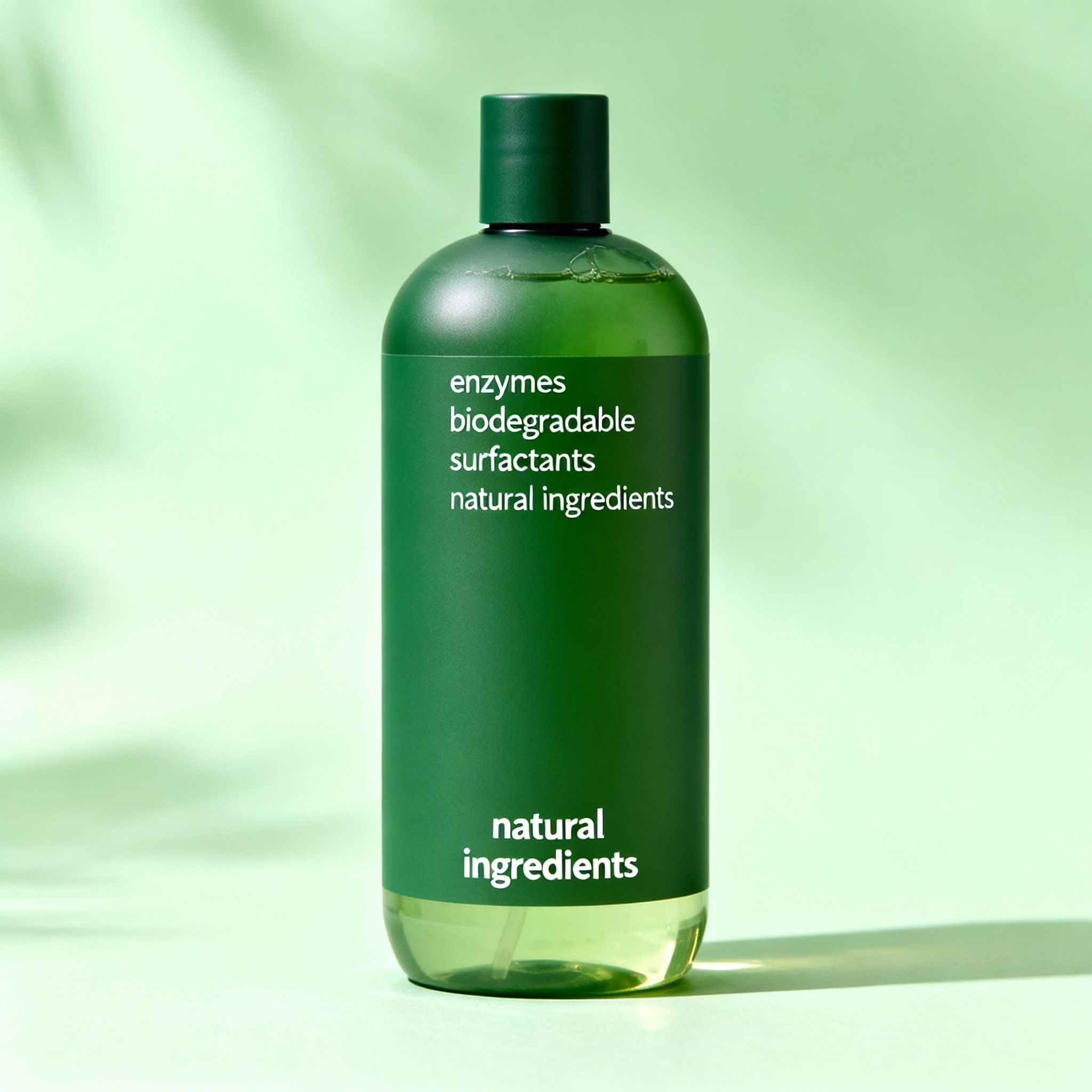
Eco-friendly cleaning products made with enzymes and biodegradable surfactants

Why Enzymes Are Revolutionising Cleaning

Enzymes are biological catalysts that represent a fundamental shift in how we approach cleaning challenges. Unlike traditional chemical cleaners that rely on harsh formulations to mask or push dirt around, enzyme-based cleaners actually break down organic matter at its core. This means they effectively dissolve and eliminate fats, oils, proteins, and starches—the primary components of most household and industrial soils.

The brilliance of enzymatic cleaning lies in its specificity. Different enzymes target different types of contamination, making them extraordinarily effective across diverse cleaning applications. A lipase enzyme breaks down greasy residues, while protease enzymes tackle protein-based stains. This targeted approach delivers superior cleaning results while using minimal chemical intervention.

Safety and efficacy go hand in hand with enzyme cleaners. These products are formulated with natural enzymes that work efficiently without requiring hazardous compounds, making them safer for both users and the environment. Workers handling enzyme-based cleaners face significantly reduced risks of allergic reactions, respiratory irritation, or other health complications associated with conventional harsh chemicals.

The Biodegradability Advantage

One of the most compelling reasons to switch to enzyme-based cleaners is their complete biodegradability. Unlike synthetic chemicals that accumulate in waterways and soils, enzymes are biological molecules that break down naturally in the environment. The Environmental Protection Agency acknowledges that biodegradable enzymes in cleaners help reduce environmental pollution and lighten the burden on wastewater treatment facilities.

When enzyme cleaners wash down the drain, they don't create toxic residue buildup in water bodies or ecosystems. Instead, they decompose harmlessly, leaving no persistent environmental footprint. This is particularly important for industries like yours in odour control and environmental solutions, where the connection between products and environmental responsibility is paramount.

Biodegradable Surfactants: The Sustainable Cleaning Power

Surfactants are the workhorses of any cleaning product, enabling water and oils to mix so dirt can be rinsed away. Traditional surfactants, particularly linear alkylbenzene sulfonate (LAS), are derived from fossil fuels and persist in the environment for extended periods.

Modern biodegradable surfactants, such as biosurfactants like REWOFERM® rhamnolipids, represent a quantum leap in sustainable cleaning chemistry. These surfactants are produced through fermentation of natural feedstocks rather than petroleum extraction. What makes them exceptional is their environmental compatibility—they satisfy rigorous rapid biodegradability standards (OECD 301 F and EN ISO 11734) under both aerobic and anaerobic conditions.

Importantly, biodegradable surfactants don't sacrifice cleaning power for environmental friendliness. Testing demonstrates that these new-generation surfactants perform significantly better than conventional reference surfactants in water toxicity tests while maintaining 100 percent renewable carbon indices. For businesses seeking to demonstrate genuine environmental commitment, this represents authentic progress rather than greenwashing.

Bio Solvents: The Carbon-Neutral Alternative

Bio solvents derived from renewable sources like corn (ethyl lactate blends) offer a compelling alternative to traditional petroleum-based solvents such as acetone, xylene, and MEK. These carbon-neutral cleaners deliver several key advantages:

Environmental Performance: Bio-based solvents are derived from renewable agricultural resources, significantly reducing carbon footprint and eliminating dependence on finite fossil fuel reserves. Unlike conventional solvents that add new carbon to the atmosphere, bio solvents are carbon neutral in their lifecycle impact.

Air Quality and Workplace Safety: Traditional solvents release volatile organic compounds (VOCs) that contribute to air pollution and pose health risks to workers. Bio-based solvents are formulated to have dramatically lower VOC emissions, enhancing indoor air quality and creating safer working environments without compromising cleaning efficacy.

Versatility and Effectiveness: Bio solvents maintain excellent solvency properties, making them effective across diverse cleaning applications from delicate precision work to tough industrial contamination. They handle greases, oils, and complex residues with the same effectiveness as their harmful predecessors.

Operational Cost Benefits: While initial perceptions might suggest premium pricing, bio solvents often reduce total cost of ownership by eliminating expensive hazmat shipping fees, special handling requirements, spill containment costs, and hazmat disposal expenses associated with traditional solvents.

Choosing Products for Tomorrow

The cleaning industry is experiencing genuine transformation driven by regulatory requirements, consumer demand, and environmental necessity. Enzyme-based cleaners, biodegradable surfactants, and bio solvents represent authentic advances in sustainable chemistry—not compromises on performance.

For businesses operating in environmental solutions, adopting these technologies demonstrates genuine commitment to the principles you advocate. Your customers recognise this authenticity and respond positively. By integrating enzymes, biodegradable surfactants, and bio solvents into your product portfolio, you position your company at the forefront of genuine environmental responsibility.

The future of cleaning isn't about choosing between effectiveness and environmental stewardship. With modern enzyme technology and sustainable surfactants, you achieve both simultaneously—delivering powerful cleaning results while building a better planet for future generations.


Thursday, October 30, 2025

The Future of Eco-Friendly Cleaning: Enzymes, Biodegradable Surfactants & Bio Solvents


Sustainable enzyme-based cleaning products with natural ingredients

The global cleaning industry is undergoing a profound transformation. As environmental consciousness rises and consumers demand safer, more sustainable products, manufacturers are turning to innovative solutions that deliver powerful cleaning performance without compromising our planet's health. Three game-changing technologies are leading this revolution: enzymatic cleanersbiodegradable surfactants, and bio solvents. These ingredients represent a fundamental shift from traditional petroleum-based chemicals toward renewable, non-toxic alternatives that protect both human health and ecosystems.

Understanding Enzymatic Cleaning: Nature's Problem Solvers

Enzymes are remarkable biological catalysts—naturally occurring proteins that accelerate chemical reactions with remarkable precision. In cleaning applications, they function through a "lock-and-key" mechanism, where each enzyme targets specific organic compounds at the molecular level, breaking them down far more effectively than conventional cleaners.

How Enzymes Target Different Stains

The brilliance of enzymatic cleaning lies in its specificity. Different enzymes excel at removing different types of stains:

Proteases are protein-destroying powerhouses. They break down peptide bonds in protein-based stains such as blood, sweat, grass, and food residues. This makes them invaluable in laundry applications and kitchen cleaning where protein stains are common.

Lipases tackle fat and oil-based grime. These enzymes break down lipid molecules into smaller, water-soluble components, making them highly effective for kitchen grease, cooking oil stains, and oily residues on machinery and equipment.

Amylases target starch-based stains from foods like pasta, cereals, sauces, and baby food. By breaking down complex carbohydrates, amylases eliminate food stains that resist traditional cleaning methods.

Environmental Benefits of Enzyme Cleaners

One of the most compelling advantages of enzymatic cleaners is their inherent biodegradability. Unlike synthetic chemicals that can persist in soil and water for years, enzymes are natural proteins that break down into harmless compounds—primarily carbon dioxide, water, and biomass. This means enzymatic cleaners leave virtually no toxic residue in our waterways or ecosystems.

Research published in the European Cleaning Journal demonstrates that enzyme-based cleaners can reduce cleaning time by up to 30% in commercial environments. This efficiency translates to lower overall chemical usage, further reducing environmental impact. Additionally, the ongoing enzymatic action provides residual cleaning benefits, with enzymes continuing to break down organic matter even after initial application—a significant advantage in high-traffic environments like kitchens and public facilities.

Biodegradable Surfactants: The Green Wave of Cleaning Power

Surfactants, or "surface-active agents," are essential to modern cleaning products. These molecules reduce surface tension between two incompatible substances—such as oil and water—allowing them to mix effectively. Traditional surfactants, however, often come from petroleum sources and break down slowly in the environment, accumulating and causing water pollution.

Plant-Based Innovation

Biodegradable surfactants represent a sustainable alternative, derived from renewable plant-based sources including coconut oil, palm oil, corn, and soybeans. Advanced biotechnology has enabled production of biosurfactants through bacterial fermentation of plant sugars, delivering cleaning power that matches or exceeds conventional surfactants while maintaining total biodegradability.

These plant-derived surfactants break down rapidly under both aerobic and anaerobic conditions, achieving very high renewable carbon indexes. They exhibit significantly lower water toxicity compared to traditional surfactants, reducing harm to aquatic life and terrestrial ecosystems.

Two-Stage Biodegradation Process

When biodegradable surfactants enter wastewater systems or natural environments, they undergo a two-stage breakdown process:

Primary biodegradation neutralizes the surfactant's functional characteristics, preventing it from continuing to act as a cleaning agent in nature.

Secondary biodegradation breaks down the remaining compounds into base elements—carbon dioxide, water, and biomass—rendering them completely harmless.

This dual-phase process ensures minimal environmental impact while also reducing pressure on wastewater treatment facilities. Moreover, biodegradable surfactants are gentler on human skin, reducing irritation for those with sensitive skin or chemical sensitivities—a significant health benefit often overlooked in traditional cleaning products.

Bio Solvents: Harnessing Nature's Dissolving Power

Bio solvents are derived from renewable biological feedstocks, offering powerful cleaning capabilities combined with exceptional environmental safety profiles. They represent a fundamental reimagining of how we approach solvent-based cleaning.

Key Bio Solvent Options

Ethyl lactate is produced through fermentation of renewable carbohydrates—a truly sustainable process. This non-toxic solvent effectively dissolves resins, inks, coatings, and stubborn residues, making it valuable for industrial applications without the hazards associated with traditional halogenated solvents.

D-limonene, derived from citrus peel oil, serves as a biodegradable, low-toxicity degreaser. With its powerful solvent properties and rapid biodegradability, d-limonene makes an ideal choice for removing grease, oils, and grime from hard surfaces and equipment.

Advanced Solvent Blends

Innovative formulations combine ethyl lactate with d-limonene to create solvent blends that enhance water miscibility while maintaining cleaning efficiency and non-toxicity. These blends are carbon neutral and outperform many conventional solvents in both safety and performance metrics. They're particularly valuable for paint stripping, degreasing machinery, graffiti removal, and equipment sanitization.

Real-World Applications and Performance Advantages

Eco-friendly cleaning solutions utilizing enzymes, biodegradable surfactants, and bio solvents are transforming cleaning practices across diverse industries:

Industrial & Commercial Settings: Heavy machinery degreasing, equipment sanitization, and production facility cleaning benefit from the powerful yet non-hazardous nature of these products.

Kitchen & Food Service: Enzyme-based formulations excel at protein and fat breakdown, while bio solvents handle stubborn residues without contaminating food preparation areas.

Environmental Remediation: These products are instrumental in graffiti removal, paint stripping, and restoration work where surface safety is paramount.

Household Applications: From laundry to bathroom cleaning, enzymatic and biodegradable surfactant products deliver superior results while being safe for families and pets.

The advantages are compelling: reduced VOC (volatile organic compound) emissions, improved workplace safety, enhanced cleaning efficiency, lower disposal costs, regulatory compliance with environmental standards, and reduced water and soil pollution.

The Science Behind Superior Cleaning Performance

It might seem counterintuitive that "gentler" products could clean better than harsh chemicals, but the science supports this. Enzymatic and bio-based cleaners work smarter, not harder. By targeting the specific molecular composition of stains and residues, these products eliminate the actual problem rather than simply dissolving or masking it.

Furthermore, the continued enzymatic action after initial application creates an ongoing cleaning effect. In kitchens and bathrooms where constant spills and contamination occur, this residual cleaning action prevents buildup, reduces odor formation, and maintains hygiene standards with less frequent reapplication compared to traditional cleaners.

Looking Forward: The Sustainable Cleaning Future

The integration of enzyme technology, biodegradable surfactants, and bio solvents represents the inevitable future of the cleaning industry. Growing consumer demand for sustainable products, combined with increasingly stringent environmental regulations, is driving market expansion of bio-based chemicals at unprecedented rates.

Recent advances in biotechnology have made green formulations cost-competitive with conventional cleaning products while offering demonstrably superior environmental and health benefits. According to the EPA, using environmentally friendly cleaning products—including enzyme-based formulations—can reduce the environmental impact of cleaning operations by as much as 50%.

Businesses adopting these solutions demonstrate their commitment to sustainability, attract environmentally conscious consumers, and position themselves as industry leaders in responsible practices. For individual households, switching to enzyme-based, biodegradable surfactant, and bio solvent cleaners represents a straightforward path to reducing personal environmental impact without sacrificing cleaning performance.


Enzymatic cleaners, biodegradable surfactants, and bio solvents are not merely trend-chasing marketing tools—they represent genuine scientific advances in cleaning technology. These ingredients work with nature rather than against it, delivering powerful cleaning performance while protecting our waterways, soil, and human health.

By choosing products formulated with these eco-friendly ingredients, consumers and businesses alike can make a meaningful contribution to environmental stewardship while enjoying superior cleaning results. The future of cleaning is green, sustainable, and scientifically sound.


Ready to make the switch? Explore high-quality enzyme-based, biodegradable surfactant, and bio solvent cleaning solutions designed for your specific cleaning needs. Whether for industrial, commercial, or household applications, eco-friendly cleaning products deliver the performance you expect with the environmental responsibility our planet deserves.